
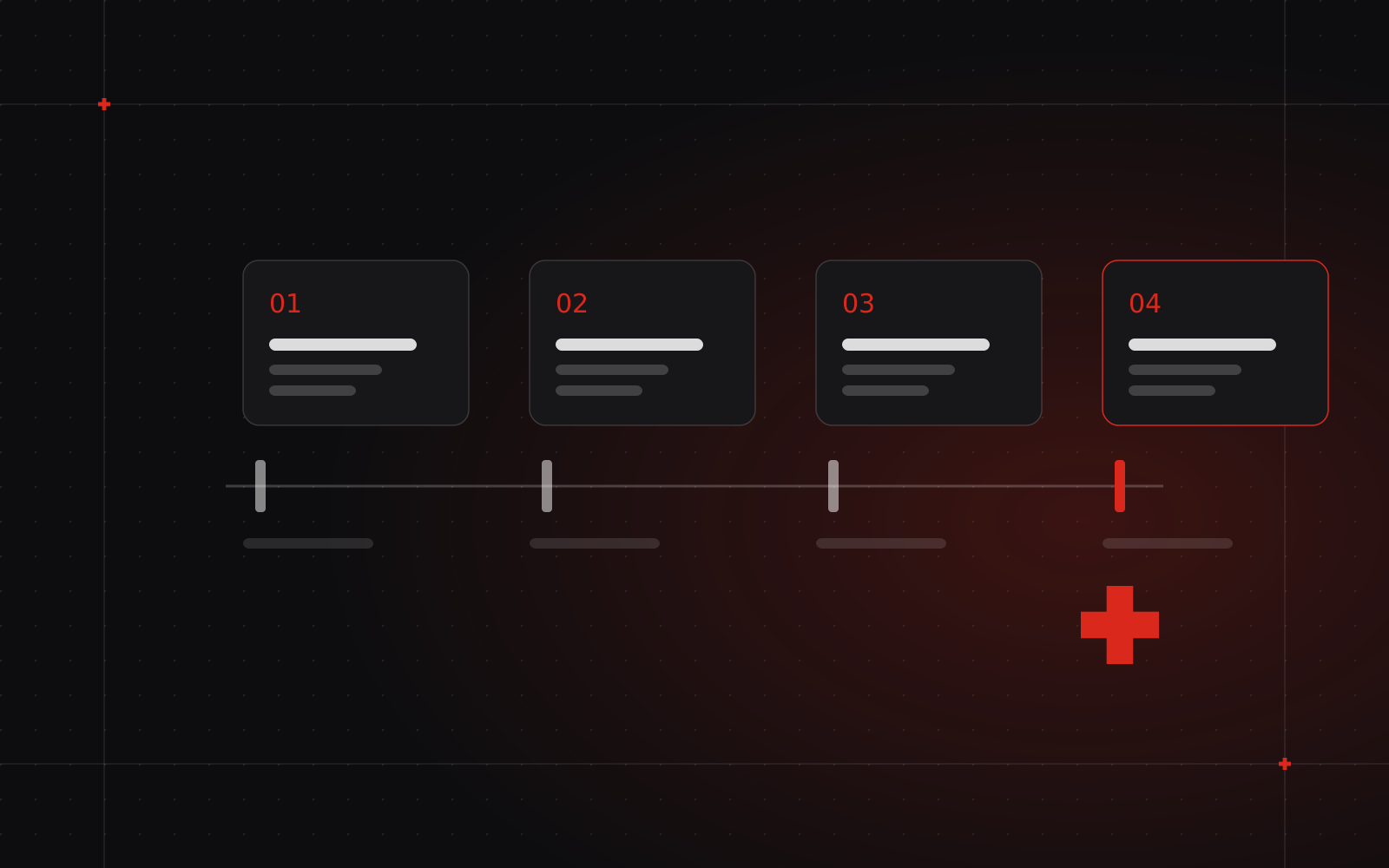
What are the steps of a website project?
| Step | What happens | Typical duration |
|---|---|---|
| Kickoff | Goals, audience, content, sitemap and schedule | 1 week |
| Design | Home page and one subpage in the final design, feedback rounds | 1 to 2 weeks |
| Build | All pages, copy, forms, SEO basics, tracking | 1 to 3 weeks |
| Launch | Domain, redirects, Search Console, training | a few days |
What determines the effort?
Five points make the biggest difference:
- Number of pages and languages. Each language almost doubles the effort for copy and maintenance.
- Copy. If the agency writes the copy, it takes more time, but it usually leads to better rankings.
- Design. An adapted template is faster than a custom design.
- Features. Forms are simple; bookings, a store or interfaces to other programs need more work.
- Photos. Professional images need a photo shoot, but they make a stronger impression than stock photos.
That is why we quote every project individually: after the first call you receive a quote that sets out exactly these points for your project.
What running costs are there?
- Domain, for example a .ch address, yearly
- Hosting or a website builder, monthly
- Maintenance and changes, depending on the agreement
- For stores: Shopify subscription and payment provider fees
What should I prepare before the first call?
- The goal of the website in one sentence, for example "more quote requests for bathroom renovations"
- Your most important services, each of which should get its own page
- Two or three websites you like, and why
- Existing material: logo, copy, photos, logins for the old website and domain
Is a DIY website builder worth it?
For a club or a hobby project, yes. For an SME that wants enquiries through its website, usually not. The difference is rarely in the look, but in structure, copy and SEO: a website with one page per service is found for many more search terms than a single page that explains everything at once.